
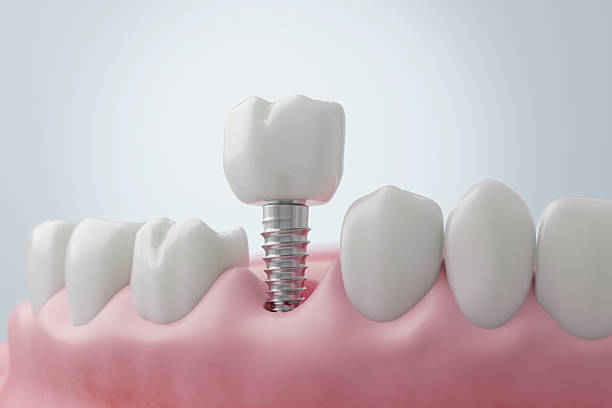
Losing a tooth is one thing. Losing bone after it, that’s the part people usually don’t expect. The jaw starts shrinking almost right away once a tooth is gone. Slowly at first. Then more obvious. Your face changes a bit, chewing feels weird, and eventually placing implants becomes harder than most people realize. That’s exactly why the procedure for dental implants with bone grafting even exists in the first place.
It’s not some extra step added to run up a bill. It’s there because implants need strong bone underneath or they fail. Pretty simple. Mouth surgeons deal with this every day, and honestly, most people walk into consultations thinking the implant itself is the hard part. It usually isn’t. Building the foundation is what really matters.
Bone Loss Happens Faster Than Most People Think
Truth is, bone loss starts quicker than people expect after extraction. The jaw depends on tooth roots for stimulation. Once those roots disappear, the body basically decides that bone is no longer needed there. So it shrinks. Kinda brutal when you think about it. Some people lose enough bone within a year that regular implant placement becomes impossible without grafting.
Smoking, gum infections, trauma, and years of missing teeth make it even worse. Mouth surgeons often see patients who waited too long because they thought missing one tooth “wasn’t a big deal.” Then they’re surprised when they hear they need grafting first. But the short answer is this no solid bone, no stable implant.
What Bone Grafting Actually Does Before Implant Placement
Bone grafting sounds scary when people first hear it. It really isn’t as dramatic as it sounds. The goal is straightforward. Add bone material where the jaw has weakened or collapsed so the implant has something solid to hold onto. During the procedure for dental implants with bone grafting, mouth surgeons place grafting material into the deficient area and allow the body to rebuild around it naturally over time.
Sometimes the graft comes from synthetic material. Sometimes donor material. Sometimes from your own body. Depends on the situation. Then the area heals for a few months while new bone develops. It’s a process, yeah, but it gives implants a much better chance of lasting decades instead of failing early.
Mouth Surgeons Evaluate More Than Just Your Teeth
A lot goes into implant planning before surgery even starts. People think someone just looks inside the mouth for five minutes and schedules surgery. Not even close. Mouth surgeons study jaw density, nerve locations, sinus position, bite pressure, and overall health history before deciding how the procedure for dental implants with bone grafting should happen. CT scans help map everything out in detail.
Some jaws need only minor grafting. Others need major reconstruction because bone has disappeared for years. Diabetes, medications, smoking habits, even nighttime grinding all affect healing. That’s why experienced surgical teams matter. They’re not just replacing teeth. They’re rebuilding structure that your body lost over time.
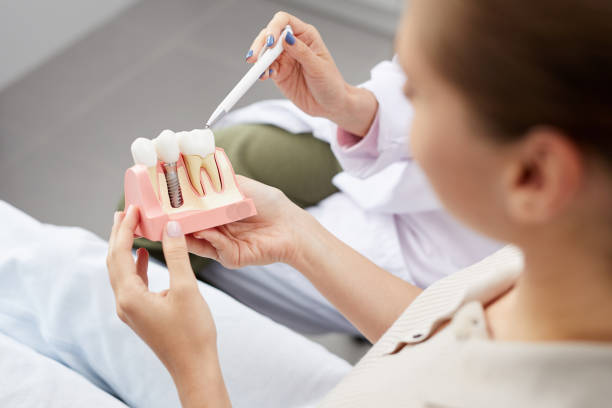
The Surgery Itself Is Usually Easier Than Expected
Here’s the weird part most patients admit afterward the anxiety beforehand was worse than the surgery itself. Seriously. Modern surgical techniques have come a long way. Sedation helps people relax, local anesthesia keeps things numb, and most procedures move faster than expected. During the procedure for dental implants with bone grafting, the grafting material is carefully placed into the jaw where support is missing.
In some cases implants are placed the same day. In others, healing needs to happen first before implant posts go in. Depends on bone quality and stability. Mouth surgeons make those decisions carefully because rushing things usually causes bigger problems later. Better to heal correctly once than redo failed work later.
Healing After Bone Grafting Takes Patience
This part matters more than people want to hear. Healing is not instant. Social media kinda ruined expectations around surgery because everybody wants same-day everything. Bone doesn’t work that way. After grafting, your body needs time to fuse the material into living jawbone. Some areas heal within a few months. Larger grafts can take longer. Mild swelling, soreness, and bruising are normal at first. Usually manageable too.
Mouth surgeons provide detailed aftercare because healing success depends heavily on what happens afterward. Smoking during recovery? Bad idea. Skipping oral hygiene? Also bad. The procedure for dental implants with bone grafting works incredibly well when patients actually follow instructions. Funny how that works.
Sinus Lifts and Upper Jaw Bone Problems Are Common
Upper jaw implants can get complicated fast because of the sinus cavity. A lot of people don’t realize how close those spaces sit above upper molars. Once bone shrinks there, implants may not have enough height for support. That’s where sinus lifts come into play.
Mouth surgeons gently raise the sinus membrane and place grafting material underneath to create enough room for future implants. Sounds intense, honestly, but it’s become pretty routine in advanced implant surgery. The procedure for dental implants with bone grafting often includes sinus augmentation for patients missing upper back teeth for long periods. Without it, implants can become unstable or impossible to place safely.
Why Experience Matters More Than Cheap Pricing
Let’s be real for a second. Choosing surgery based only on price usually backfires. Bone grafting and implant placement are not basic cosmetic procedures. They involve nerves, facial structure, long-term function, and healing biology. Mouth surgeons with deep surgical experience know how to handle complications before they become disasters.
Cheap clinics sometimes skip imaging, rush treatment planning, or place implants into weak bone that shouldn’t support them yet. Then patients end up paying twice later. Worse sometimes. The procedure for dental implants with bone grafting requires precision and patience. Good surgical work doesn’t always look flashy online, but it lasts. That’s what actually matters when you’re chewing every day for the next twenty years.
Bone Grafting Helps Facial Structure Too
People usually focus only on replacing teeth, but bone grafting helps preserve facial appearance too. Missing teeth change more than your smile. The jaw collapses inward gradually when bone disappears. Lips lose support. Cheeks sag slightly. The lower face can start looking older earlier than expected. Kinda unfair honestly. Rebuilding bone during the procedure for dental implants with bone grafting helps restore structural support underneath the face.
Mouth surgeons see this transformation often after full-mouth restoration cases. Patients don’t just chew better. Their entire facial balance improves. Subtle changes sometimes, but noticeable. It’s one reason implants supported by healthy bone tend to feel more natural compared to removable replacements floating on shrinking gums.
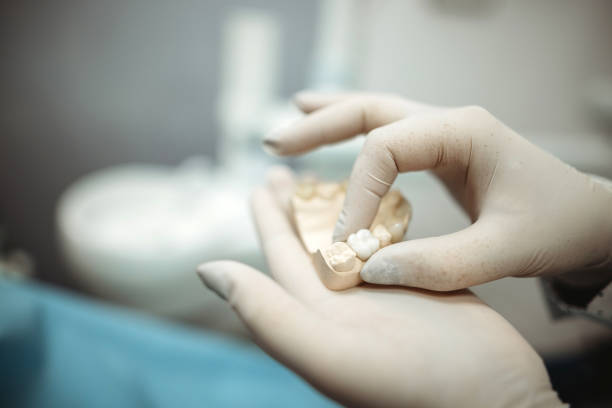
Full Mouth Reconstruction Changes Daily Life
For patients missing many teeth, this process becomes bigger than simple restoration. It changes everyday living. Eating steak again. Talking clearly. Smiling without covering the mouth. Those things sound small until someone loses them for years. Full arch implant procedures often require extensive grafting beforehand because large areas of bone have disappeared over time.
Mouth surgeons rebuild entire sections of the jaw to create enough support for permanent teeth. The procedure for dental implants with bone grafting in full-mouth cases can take months from start to finish, maybe longer depending on healing. But people who go through it often say the same thing later they wish they had done it sooner.
Fear Stops More People Than Pain Ever Does
Most delays come from fear, not actual pain. Fear of surgery. Fear of cost. Fear of hearing bad news about bone loss. Totally understandable. But avoiding the problem usually makes treatment more complicated later. Bone keeps shrinking. Adjacent teeth shift. Infections spread deeper. Mouth surgeons would rather treat smaller problems early than major reconstruction years later.
The procedure for dental implants with bone grafting sounds overwhelming at first because the name itself feels heavy. But once people understand what’s actually happening, it starts making sense. Rebuilding lost support. Protecting long-term stability. Restoring function. That’s really it underneath all the medical terminology.
Choosing the Right Surgical Team Makes All the Difference
At the end of the day, successful implant treatment depends heavily on the surgical team handling it. Technology helps, sure. Materials matter too. But experience and judgment still lead the whole thing. Mouth surgeons trained in advanced implant reconstruction understand how bone heals, how implants integrate, and how to avoid long-term complications before they happen. That knowledge matters more than flashy advertising ever will.
The procedure for dental implants with bone grafting is about rebuilding confidence as much as rebuilding bone. And when done correctly, the results can genuinely change someone’s quality of life for decades. Visit New York Oral & Facial Surgery to start learning what treatment options may actually work for your situation.
FAQs
Is the procedure for dental implants with bone grafting painful?
Most people expect severe pain and end up surprised it’s manageable. There’s soreness and swelling for a few days, sure, but modern sedation and anesthesia make the actual procedure much easier than people imagine. Mouth surgeons also provide recovery instructions that help control discomfort pretty well.
How long does bone grafting take before implants can be placed?
It depends on how much bone rebuilding is needed. Smaller grafts may heal within a few months. Larger cases can take longer before implants are stable enough for placement. Healing speed varies from person to person too.
Why do mouth surgeons recommend bone grafting before implants?
Because implants need strong jaw support to stay stable long term. If bone has shrunk after tooth loss, placing implants without grafting increases the risk of failure. Bone grafting rebuilds the foundation before implants go in.
Can smokers still get the procedure for dental implants with bone grafting?
Sometimes yes, but smoking seriously affects healing and implant success rates. Mouth surgeons usually encourage patients to stop smoking before and after surgery because nicotine reduces blood flow needed for bone regeneration.
Are dental implants with bone grafting worth the recovery time?
For most patients, yes. The process takes patience, but stable implants supported by healthy bone tend to last much longer and function more naturally. People often say the improvement in chewing, speaking, and confidence made the healing period worth it.