
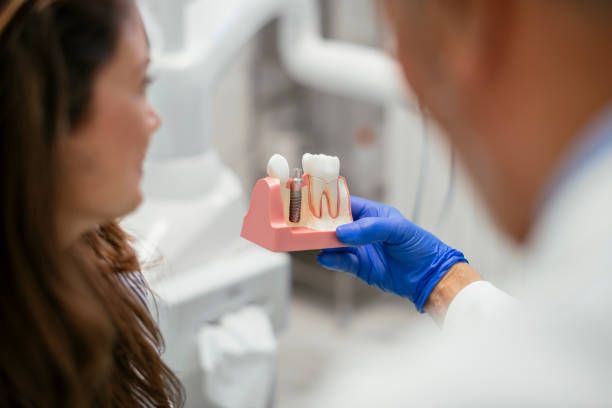
Let’s be real most people think implants are just about putting a screw in and calling it a day. That’s not how it works. The truth is, bone is everything here. If the jawbone isn’t thick or strong enough, the implant won’t hold. Simple as that. This is where the procedure for dental implants with bone grafting starts to make sense. Bone loss happens quietly, especially after tooth removal. You don’t feel it, but it’s happening. Socket preservation and grafting step in early, keeping things stable before it gets worse.
What Actually Happens When Bone Starts Shrinking
The short answer is… your body reabsorbs bone when it thinks it’s no longer needed. No tooth, no pressure, no reason to keep that bone strong. Within months, the structure changes. Chewing feels different, the face shape shifts a bit, and suddenly implants become tricky. That’s why dental socket preservation is often done right after extraction. It’s not extra. It’s prevention. Skipping it can mean more complicated surgery later, and yeah, longer healing too.
Dental Socket Preservation: The First Smart Move
Right after a tooth is removed, there’s an empty space. That space called the socket can collapse if left alone. Socket preservation fills that gap with graft material. Sounds technical, but it’s pretty straightforward. The goal is to hold the shape of the bone. Not perfect, but enough to support future implants. This step is often overlooked by patients who just want the tooth out and done. But honestly, it’s one of the smartest moves in the whole procedure for dental implants with bone grafting.
Bone Grafting Isn’t As Intense As It Sounds
People hear “bone graft” and imagine something extreme. It’s not that dramatic. The material used can come from different sources sometimes synthetic, sometimes natural. It’s placed where bone is missing or weak. Then your body does the heavy lifting. Over time, it integrates. Builds strength. Creates a foundation. The process takes patience, though. You’re looking at a few months for proper healing. No shortcuts here, unfortunately.
Step By Step: The Real Implant Procedure Flow
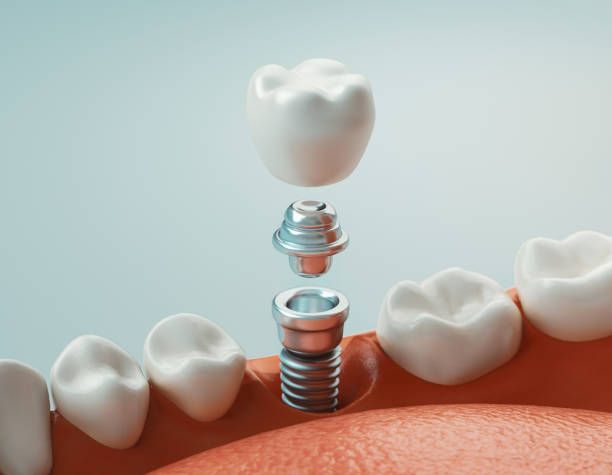
Alright, here’s how it usually goes. First, evaluation scans, imaging, all that. Then, if needed, socket preservation right after extraction. After that, bone grafting if the area needs reinforcement. Healing phase comes next, and yeah, it can feel slow. Once the bone is ready, the implant is placed. Another healing period follows, where the implant bonds with the bone. Finally, the crown goes on. That’s the full procedure for dental implants with bone grafting. Not quick, but very effective.
Healing Time: The Part No One Likes Talking About
Here’s the honest bit healing takes time, and people get impatient. Bone doesn’t rush. After grafting, you might wait 3 to 6 months. Sometimes longer. It depends on your body, your health, and how much grafting was needed. There’s usually mild discomfort, nothing extreme. Most people manage it fine. But yeah, it’s not instant gratification. Good results rarely are.
When You Can Skip Bone Grafting (And When You Can’t)
Not everyone needs grafting. If the bone is already strong and dense, you might go straight to implant placement. Lucky you. But in many cases, especially if the tooth has been missing for a while, grafting becomes necessary. Skipping it when it’s needed? Bad idea. It risks implant failure. And that’s something you definitely want to avoid.
Risks and Reality Checks You Should Know
Let’s not sugarcoat it there are risks. Infection, delayed healing, graft failure… they can happen. Not common, but possible. The good news is, with proper planning and care, success rates are high. Very high. The key is following instructions after the procedure. No messing around with that. Healing depends on it more than people realize.
Cost vs Value: What You’re Really Paying For
People often focus on cost, and fair enough. It’s not cheap. But here’s the thing you’re paying for long-term stability. A proper procedure for dental implants with bone grafting isn’t just about replacing a tooth. It’s about restoring function, structure, and confidence. Cutting corners might save money now, but it can cost more later. Repairs, replacements… it adds up.
Daily Life During the Process
Life doesn’t stop just because you’re going through this procedure. You’ll eat softer foods for a bit. Avoid pressure on the area. Keep things clean. Routine changes slightly, not dramatically. Most people continue working, socializing, doing their usual stuff. It’s manageable. Just requires a bit of discipline and patience.
Long-Term Results: What You Can Expect
Once everything is healed and in place, the results feel natural. Strong. Stable. You won’t be thinking about it every day, which is kind of the point. Bone grafting helps ensure that stability lasts. Without it, things can loosen over time. With it, the foundation stays solid. That’s the payoff.
Why Experience Matters More Than You Think
This isn’t a DIY situation, obviously. The outcome depends heavily on planning and execution. Every case is different. Bone levels, health conditions, timing it all plays a role. Choosing the right place for your dental socket preservation and implant procedure makes a huge difference. It’s not just about getting it done, it’s about getting it done right.
Final Thoughts Before You Decide
Truth is, the procedure for dental implants with bone grafting sounds more complicated than it feels once you’re in it. Step by step, it’s manageable. What matters is understanding the process, knowing what to expect, and committing to it. It’s a journey, not a quick fix. But the results? Worth it.
Visit New York Oral & Facial Surgery to start your journey toward a stronger, healthier smile.
FAQs
What are the procedures for dental implants that require bone the grafting procedure?
It's a complex process that includes assessment, possible socket preservation and bone grafting, as well as the healing process, implant placement and then final restoration. It focuses on creating solid foundations prior to placing the implant.
How long will dental socket preservation get healed?
Healing typically takes several months. It's dependent on your body's constitution and how well you adhere to guidelines for care afterward, but the majority of cases fall within a 3-4-6 month timeframe.
Does bone grafting have to be done prior to implants?
It's not always the case. In the event that your jawbone is solid and strong it is possible that grafting will not be necessary. In many instances it can improve long-term results.
Does bone grafting cause pain?
There's some discomfort, yes however, it's usually manageable. Many people describe it as mild or moderate, and it's usually temporary.
How effective is the process for dental implants that use bone Grafting?
High success rates can be achieved when it is done properly and accompanied with proper care. Bone grafting can significantly increase durability and stability of the implant.