
Everyone thinks getting an aircon put in is straightforward. Ring someone, they turn up, they bolt a unit to the wall, job done. In reality there's a fair bit more to it, and who actually does the job matters more than most people realise until something goes wrong a year or two down the track. We talk to a lot of people looking for air conditioning installers Sunshine Coast wide, and honestly the questions they ask us are usually the right ones, just maybe a bit late in the process. Price comes up first almost every time, which is fair enough, but there's other stuff that ends up mattering just as much once the system's actually in and running. This is basically everything we'd tell a mate if they asked us how to pick someone for the job.
Why Not All Installers Are The Same
This sounds obvious written down, but people genuinely assume most installers do roughly the same job to roughly the same standard. Not really true. Licensing is the baseline, obviously, anyone handling refrigerant needs to be properly licensed, that's not optional. But beyond the legal minimum, there's a big gap between someone who rushes through an install to get to the next job and someone who actually takes the time to get sizing, placement and the finer details right.
A lot of the differences don't show up straight away either. A rushed install might work fine for the first six months, then start showing problems, poor drainage, uneven cooling, higher than expected power bills, once corners that were cut start actually mattering. That's the annoying part, you don't always know at the time whether the job's been done properly, only later.
Experience with different system types matters too. Someone who's mostly done small split system swaps might not have the same depth of knowledge for a full ducted install in a bigger home. Doesn't mean they're bad at their job, just means it's worth asking about relevant experience for whatever type of install you actually need.
What Actually Separates A Good Install From A Rushed One
Sizing's the big one, and it comes up constantly. A good installer measures the space properly, factors in ceiling height, window size, insulation, orientation, all of it, rather than just going off a rough square metre estimate. Get sizing wrong and you end up with a system that either struggles to cool properly or short cycles constantly, which wears components out faster and doesn't dehumidify the air properly either.
Placement of both indoor and outdoor units matters more than people think too. Stick the outdoor unit somewhere with poor airflow or in constant direct sun and you're already reducing efficiency before it's even switched on. Indoor unit placement affects how evenly air actually circulates through the room, not just where it looks tidiest on the wall.
Proper vacuuming of refrigerant lines before charging the system is another step that gets rushed sometimes, and it's a big one. If moisture's left in the lines, it causes corrosion over time, and that shortens the lifespan of the whole system considerably. Takes extra time to do properly, which is exactly why it sometimes gets skipped by installers trying to move through jobs faster than they should.
Electrical work needs to be done right too, particularly for bigger systems needing a dedicated circuit. This isn't somewhere you want shortcuts, given it's wiring inside your walls we're talking about.
Questions Worth Asking Before You Book
Are they licensed and insured, straightforward but worth confirming rather than assuming. What's included in the quote, sometimes a cheaper price is cheaper because it's missing things like proper electrical work or doesn't include disposal of the old unit if there is one. How long's the warranty on both the unit and the installation work itself, since these can be separate things and it's worth knowing what's actually covered.
It's also worth asking how they determine system sizing for your specific home. If the answer's vague or just based on square metres with nothing else considered, that's worth being a bit cautious about.

Split System Versus Ducted, What Most People Actually Need
For a lot of homes across the region, split systems remain the practical choice, particularly where budget's a factor or only certain rooms need dedicated cooling. They're flexible, relatively quick to install, and let you zone room by room without needing extensive ductwork.
Ducted systems suit larger homes wanting whole house comfort through one central system, especially newer builds with open plan layouts where a handful of separate split units would look messy and cost more overall anyway. Zoning capability with ducted systems means you're not cooling rooms nobody's using, which helps keep running costs reasonable despite it being a bigger system overall.
Neither option's universally better, it genuinely depends on the home, the budget, and how the space actually gets used day to day.
What A Proper Install Actually Looks Like Start To Finish
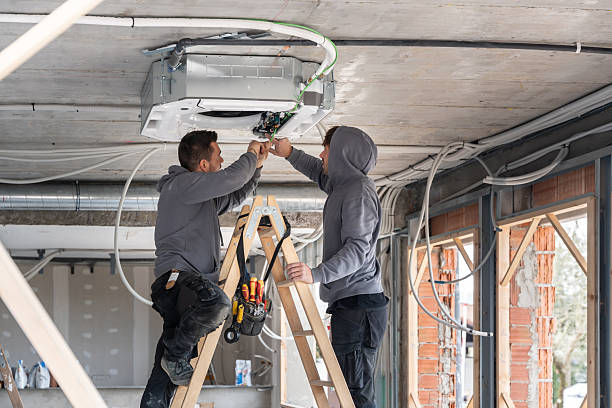
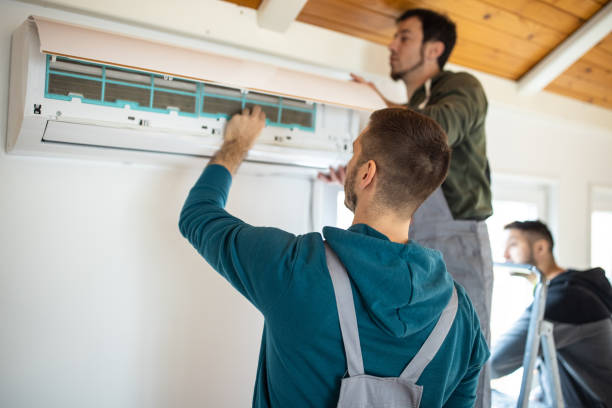
Site assessment comes first, checking wall thickness, planning pipe runs, figuring out drainage and where units will actually sit. Then electrical work if needed, running dedicated circuits for bigger systems. After that it's mounting both units, running and connecting refrigerant lines, then the vacuuming and charging process that a lot of rushed jobs skimp on.
Testing comes last and it genuinely matters, checking pressures, airflow at vents for ducted systems, and confirming the thermostat's calibrated correctly. Takes a bit of extra time but it's the difference between a system that works properly from day one versus one that sort of works and needs adjustments or callbacks later.
For anyone looking at air conditioner installation Sunshine Coast wide, that full process is roughly what should be happening, not just the quick version where someone mounts the unit and leaves.
Price Isn't Everything, But It Still Matters
We're not saying go for the most expensive quote out there, that's not the point either. But when quotes vary a lot between different air conditioning installers Sunshine Coast has to offer, it's worth understanding why rather than just picking whichever number's smallest. Sometimes cheaper quotes are missing things, proper electrical work, quality vacuuming and charging, adequate warranty coverage. Other times it's just a leaner operation with lower overheads, which is fine too. Getting a couple of quotes and asking similar questions of each one usually makes the differences clearer pretty quickly.
Wrapping It Up
At the end of the day, choosing the right installer matters just as much as choosing the right system, maybe more, since even a good unit performs poorly if it's put in badly. Take a bit of time comparing options rather than just going with whoever's fastest to respond or cheapest on paper.
Conclusion
If you're looking around at air conditioning installers Sunshine Coast wide for an upcoming project, whether that's a new build, a renovation, or just replacing an old struggling system, it pays to ask the right questions upfront rather than finding out the hard way a year or two later that corners got cut somewhere along the line. And whatever type of air conditioner installation Sunshine Coast homes actually need, split, ducted, or something in between, getting it sized and fitted properly the first time saves a lot of hassle and expense down the track. South East Air been doing installs across the whole region for a good while now, and we're always happy to walk people through exactly what's involved before any work starts, no pressure, just a straight answer on what your home actually needs.
FAQ
How do I know if an installer is properly licensed?
You can ask directly for their licence details and it's worth double checking through the relevant state licensing body if you want extra peace of mind. Any legitimate installer should have no issue providing this information upfront.
How much does a typical installation cost?
Varies quite a bit depending on system type and home size. A single split system is generally far cheaper than a full ducted setup, so getting a proper quote based on your actual home is the only real way to get an accurate figure.
How long does an installation usually take?
Standard split systems are often done within half a day, sometimes less with easy access. Ducted systems in larger homes can take a full day or two depending on how much ductwork needs to be run through the ceiling.
What should be included in a proper installation quote?
Ideally the unit itself, all electrical work needed, proper vacuuming and charging of refrigerant lines, testing, and clear warranty terms on both the equipment and the labour. If a quote seems unusually cheap, it's worth checking exactly what's included.
Can I get a system installed before finishing a renovation?
Generally yes, though it depends on the stage of the renovation and whether ductwork needs to be planned in. Getting the conversation started early, before walls are finished, usually makes the whole process smoother and less disruptive.