
So your house has turned into a hotel for uninvited guests. Great. Just great.
Look, if you're reading this, chances are you've already heard the scratching at 2am, or you found droppings behind the pantry, or maybe you saw a squirrel straight up walk into your soffit like it pays rent there. It doesn't. And it's not going to leave on its own either. That's the part nobody tells you these animals don't get bored and move out. They settle in, they breed, and then you've got a whole family situation up there instead of just one problem child.
Let's talk rat removal first, since that's usually the one that freaks people out the most.
Why Rats Pick Your House (It's Not Personal)
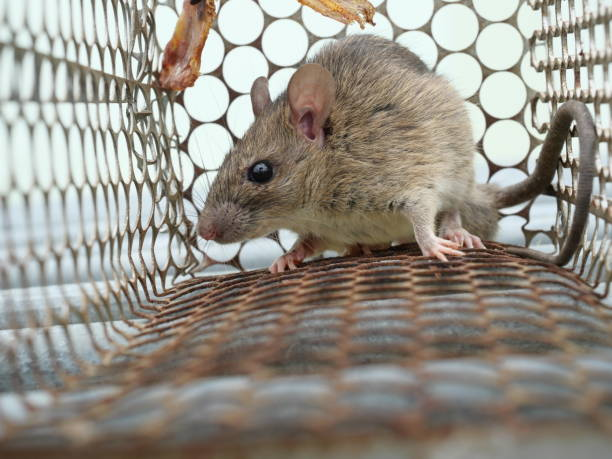
Rats aren't smart in the way people think they are. They're not plotting. They're just really, really good at finding gaps. A gap the size of a quarter is basically a front door to a rat. Roof lines, gaps around pipes, old vents, garage corners where the seal has worn out over the years — all of it is fair game. And once they're in, they don't just sit there. They chew. Wires, insulation, wood, doesn't matter. It's how their teeth stay worn down, so it's not optional behavior for them, it's biology.
The tricky bit with rat removal is that trapping the ones you see is only step one. There's almost always more you don't see. Rats are nocturnal and cautious, so by the time you've spotted one in daylight, that's usually a sign the population's gotten comfortable enough to stop hiding as much. That's not a good sign, honestly.
A proper rat removal job isn't just "set some traps and call it a day." It needs an actual inspection — finding every entry point, not just the obvious one. Then exclusion work, sealing those gaps with material rats can't just gnaw through (steel wool and hardware cloth work, foam does not, rats laugh at foam). Then trapping or removal of what's already inside, and usually a follow-up to make sure nothing snuck back in during the process. Skip any one of those steps and you're basically just buying yourself a few quiet weeks before it's back.
Squirrel Removal Is A Different Beast, Kind Of
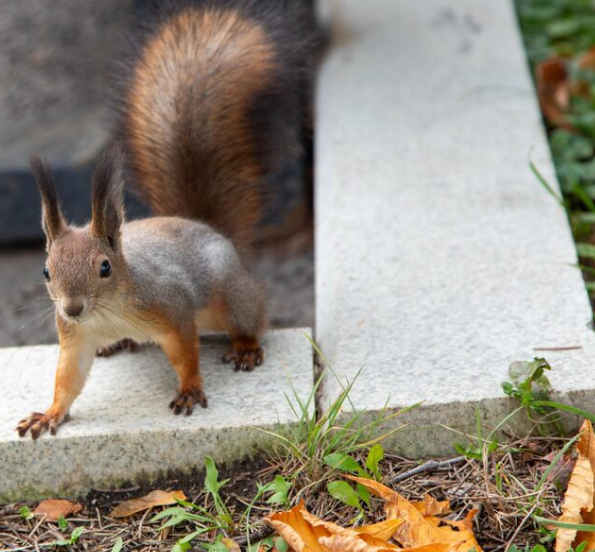
Now squirrels. People underestimate squirrels constantly because, hey, they're cute, right? Bushy tail, sits up on its hind legs, looks like something out of a cartoon. Doesn't change the fact that a squirrel in your attic can do serious damage in a short amount of time. They chew through fascia boards, they tear up insulation for nesting, and female squirrels especially will pick an attic specifically because it's warm and safe to raise babies in. That's the part that catches people off guard — by the time you notice the noise, there might already be a litter up there.
Squirrel removal has its own quirks compared to rats. Squirrels are active during the day mostly, so you'll hear them more in daylight hours, which is honestly a small mercy compared to rats keeping you up at night. But they're also stronger and more persistent when it comes to getting back into a spot they've already claimed. You seal one entry point badly, they'll just chew a new one right next to it out of pure stubbornness.
One-way exclusion doors tend to be the go-to method here — basically letting the squirrel leave to go find food but not letting it back in. Sounds simple. It's not, not really, because timing matters a lot, especially if there could be babies inside that can't leave on their own yet. Removing a mother squirrel and leaving young ones trapped inside is a mess nobody wants, both ethically and practically, because then you've got dead animals in your wall and that's a whole different, much worse smell situation.
Signs You've Got A Problem (Before It Gets Loud)
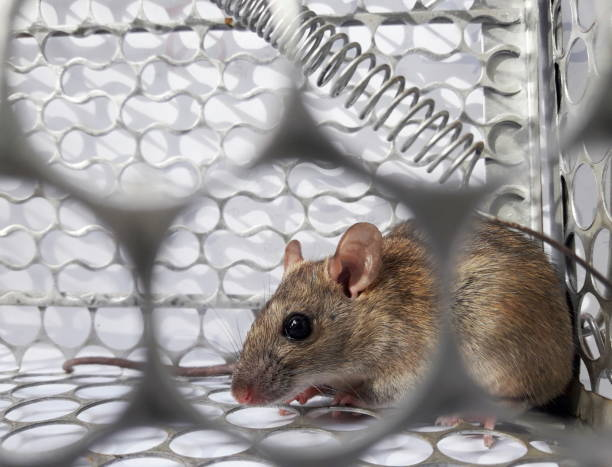
You don't always hear scratching first. Sometimes it's smaller stuff.
Grease marks along walls or beams where rats have rubbed their oily fur repeatedly on the same path. Droppings, obviously, though people often mistake rat droppings for mouse droppings and vice versa, which changes how you approach removal. Chewed wiring. A weird, persistent smell that's not quite garbage and not quite anything you can place. Insulation that looks disturbed or flattened in one particular spot, which usually means a nest.
For squirrels specifically, keep an ear out for movement that seems to follow the sun — active early morning, active again around dusk, quiet in the middle of the day. That pattern alone is a pretty strong tell.
DIY vs Calling Someone
Look, I'm not going to pretend you can't handle a single mouse with a snap trap from the hardware store. But full-blown rat removal or squirrel removal situations are a different animal, pun intended. The entry points are often in spots where you can't safely access roof edges, high soffits, places that need a ladder and some actual know-how about where these animals travel. And there's a real difference between removing the animals you can see and actually fixing the reason they got in to begin with.
A lot of people try the DIY route, feel like they've won because the noise stopped for a week or two, and then it's back sometimes worse, because now there's a bigger gap where the old repair failed. That cycle gets old fast, and it usually ends up costing more time and more frustration than just handling it properly from the start.
What A Real Fix Looks Like
Honestly, it comes down to three things every single time, whether it's rats or squirrels: find every way they're getting in, remove what's already inside without leaving anything behind (this matters more than people realize), and seal it up with materials that actually hold. Skipping any step just means you're back here again in a few months, having the same conversation with yourself at 2am.
Wildlife doesn't respect a half-fix. They're built to find the weak spot. That's kind of the whole point of them.
If you've got the scratching, the smell, the chewed wires, or just a bad feeling about what's living above your ceiling — don't wait it out. It genuinely does not get better on its own, and every week you wait is another week they've had to settle in deeper. Reach out to a local wildlife removal professional, get an actual inspection done, and get it handled properly before it turns into a bigger job than it needs to be.
FAQs
1. How do I know if it's rats or squirrels in my attic? Timing's usually the biggest clue. Rats are mostly active at night — that's when you'll hear scratching or scurrying. Squirrels tend to be loud during the day, especially early morning and late afternoon. Droppings and chew marks also differ in size, with squirrel damage generally being bigger and more obvious.
2. Will rats or squirrels just leave on their own eventually? Pretty much never, once they've settled in and especially if there's a nest involved. They've found shelter, warmth, and safety from predators. There's no real incentive for them to leave unless something forces the issue — which is exactly what proper removal and exclusion work does.
3. Is it safe to seal up entry points myself? It can be, for small, accessible gaps, but you have to be sure nothing's still inside first. Sealing an active entry point with animals or babies trapped inside leads to a much worse problem down the line, so an inspection first really does matter.
4. How long does a typical rat or squirrel removal take? It varies a lot depending on how established the problem is. A minor case might be resolved in about a week with trapping and exclusion. Larger infestations, or situations involving a nest of babies, can take a few weeks since you have to account for the animals' natural behavior and timing, not just rush the process.