
Truth is, tiny home kits sound like the perfect shortcut. Order a box, follow the instructions, build your dream house in a weekend. That's the marketing, anyway. The reality is a bit messier, and I've talked to enough people who bought a kit and ended up calling tiny house experts halfway through the build to know the gap between promise and practice. Kits can work great, but only if you go in with your eyes open about what you're actually getting.
What Exactly Is a Tiny Home Kit
A tiny home kit, at its core, is a pre-cut, pre-measured package of materials meant to be assembled into a small dwelling. Some kits include just the shell, framing lumber, siding, roofing. Others go further and toss in windows, doors, even some electrical rough-in components. The idea is to cut down on labor costs and skip the guesswork of measuring everything yourself. Sounds great on paper, and for a lot of DIY-minded folks, it genuinely is a solid option to get started.
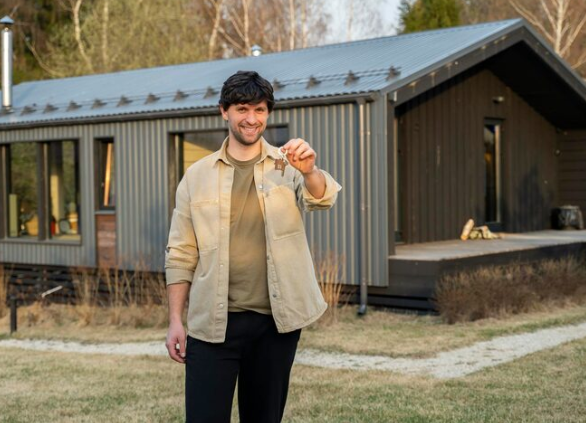
The Good Side of Going With a Kit
I won't sit here and trash kits, because they've got real upside. They're usually cheaper than a full custom build, sometimes by tens of thousands of dollars. You get a clear parts list, a set of plans, and honestly that structure helps people who've never built anything bigger than a bookshelf. If you've got some construction experience, or you're willing to learn as you go, a kit can get you into a tiny home for a fraction of what you'd pay a builder. That's not nothing, especially with housing costs the way they are right now.
Where Kits Tend to Fall Apart, Literally
Here's the part nobody puts on the box. Most kits are designed generically, meaning they're not built for your specific climate, your specific trailer, or your specific site conditions. I've seen kits shipped to Colorado that had insulation specs meant for Florida. That's a problem when you're dealing with snow loads and freezing temps for half the year. Tiny house experts who've actually built in mountain climates know this stuff needs to be adjusted, and most kit companies aren't going to tell you that upfront because it's not their job, it's yours to figure out.
The Trailer Question Kits Don't Always Answer
This is the one that trips people up the most. A lot of tiny home kits assume you already have a trailer, or worse, they pair you with a generic one that isn't actually built for the weight and dimensions of what you're constructing. That's a massive oversight. The trailer is the foundation of the whole house, and if it's not engineered specifically for tiny home loads, axle placement, tongue weight, deck strength, you're setting yourself up for problems down the road. Literally, on the road, because that thing has to survive highway driving too.
Skilled Labor Still Matters, Kit or No Kit
Let's be honest, even with a kit in hand, you still need to know what you're doing. Electrical work, plumbing, structural framing, none of that becomes beginner-friendly just because the lumber showed up pre-cut. I've had people call me halfway through a kit build because they hit a wall, sometimes literally, and needed someone who actually understood tiny home construction to bail them out. That's not a knock on the kit, it's just the truth about DIY builds in general. Tiny home construction has its own quirks that regular home building doesn't prepare you for.
Customization Options Within a Kit Build
Good news is, most kits aren't totally rigid. You can usually swap out finishes, adjust interior layouts a bit, or upgrade components like windows and insulation if you're willing to pay more or source materials yourself. This is where working alongside tiny house experts really pays off, even if you started with a kit. They can help you modify the plan so it actually fits your climate, your lifestyle, and your long-term goals instead of just following the generic instructions to the letter.
When a Kit Makes Sense and When It Doesn't
If you're handy, have time on your hands, and want to save money on labor, a kit's probably a solid choice for you. But if you're short on time, don't have construction experience, or you're building somewhere with harsh weather like Colorado, you might end up spending more fixing kit shortcomings than you would've spent going custom from the start. It really depends on your situation, there's no one size fits all answer here, no matter what the kit companies tell you in their marketing.
The Trailer Still Comes First, Kit or Custom
I keep coming back to this because it matters more than people realize. Whether you're building from a kit or working with a custom builder, the trailer underneath your tiny home needs to be right. Not close to right. Right. Weight distribution, axle count, deck height, all of it needs to match the specific build you're putting on top of it. A mismatched trailer is one of the top reasons tiny homes fail inspection, or worse, have issues on the highway during a move.

Getting Real Guidance Before You Commit
My honest advice, before you buy any kit, talk to people who've actually built tiny homes for a living. Ask about climate adjustments, ask about trailer compatibility, ask what corners the kit might be cutting that you're not seeing yet. A quick conversation with tiny house experts can save you from expensive mistakes that show up six months into your build, when it's a lot harder and pricier to fix. It's worth the hour of your time, trust me on that one.
If you're serious about building a tiny home that actually holds up, kit or custom, the trailer underneath it needs to be engineered right from day one. Visit Trailer Made Custom Trailers and talk to people who understand exactly what a tiny home kit needs structurally, so you're not left fixing problems a generic trailer created. Get the foundation right first, everything else builds on top of that.
FAQ:
Are tiny home kits cheaper than custom builds?
Usually, yes. Kits can save tens of thousands compared to a full custom build, though costs vary by size and included materials.
Do tiny home kits include a trailer?
Some do, some don't, and many that do include one that isn't properly engineered for the specific build's weight and dimensions.
Can I customize a tiny home kit?
Yes, most kits allow layout tweaks and material upgrades, especially with guidance from experienced tiny house builders.
Is a tiny home kit good for cold climates like Colorado?
Not always. Many kits are designed generically and need insulation and structural adjustments for high altitude and heavy snow loads.