
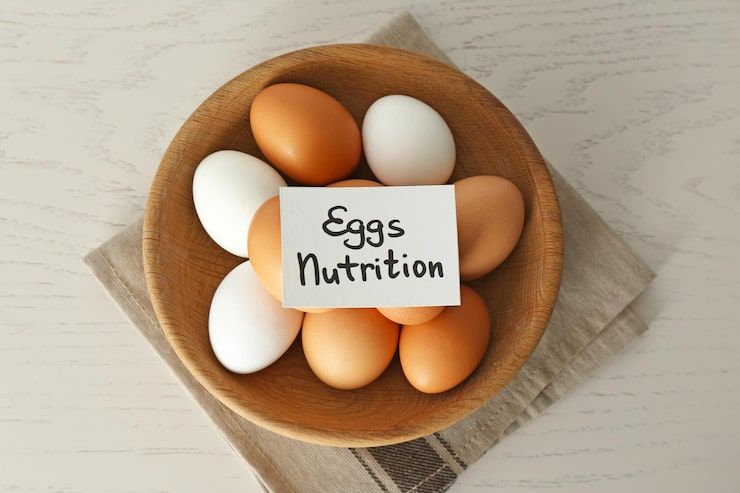
Egg cartons have basically turned into billboards at this point. Cage-free, free range, pasture raised, organic, vegetarian-fed. The labels stack up on top of each other until buying breakfast starts to feel like reading a legal disclosure. Most people just grab whatever sounds the most wholesome and move on with their shopping list. Fair enough — nobody wants to stand in the dairy aisle doing research. But that habit means paying a premium without really knowing what it's buying. Pasture raised eggs get lumped in with free range constantly, as if the two labels are interchangeable. They're not. And the gap between them says something uncomfortable about how food marketing works.
Free Range Sounds Better Than It Is
Free range, as a phrase, does a lot of heavy lifting. Say it out loud and most people picture hens wandering open fields, pecking at bugs in the sun. Nice image. Rarely accurate. Under most regulatory definitions, free range just means hens have "access" to the outdoors for some part of the day — that's the entire requirement. Sometimes that access is a small door leading out to a concrete slab barely bigger than a parking spot. Thousands of birds, one exit. If the door opens for two hours a day, most of the flock never even makes it outside before feeding time pulls them back in. Nobody's lying on the label, technically. It's just a technicality doing all the work.
Pasture Raised Actually Means Space
Pasture raised is a different animal, no pun intended. This system is built around something closer to how hens would actually live if left alone — grass, dirt, bugs, real sunlight, and continuous access rather than a scheduled window. Certified programs like Certified Humane require somewhere around 108 square feet per bird outdoors. Compare that to the cramped concrete porch a lot of free range operations get away with, and it's not even close. Hens with that kind of room forage, dust-bathe, do chicken things. The eggs tend to show it too — richer, more orange yolks, a byproduct of the varied diet that comes from actually being outside instead of standing near a door that happens to be open.
Where the Confusing Terminology Comes From
None of this happened by accident, unfortunately. Marketing language moved faster than regulation ever could. "Free range" became a legally usable term decades ago under fairly loose USDA rules, and once shoppers latched onto it, producers had zero incentive to push for anything stricter. Why would they? Pasture raised, meanwhile, isn't even federally regulated in the U.S. Sounds alarming until you realize most credible pasture raised claims lean on third-party certification instead — Certified Humane, Animal Welfare Approved, that sort of thing. Strange twist: the term with no legal backing often ends up more rigorously verified than the one that does have one.
The Welfare Part Nobody Wants to Get Into
Animal welfare conversations get flattened into single words too often — "cruel" versus "humane" — when reality sits somewhere in the middle, sliding along a spectrum most people never think about. Free range isn't brutal. It's genuinely an improvement over battery cage confinement, and that matters. But improvement isn't the same thing as good. A hen with theoretical outdoor access still lives most of her life indoors if that door barely opens or the space outside isn't worth visiting. Pasture raised removes the ambiguity entirely. No theoretical anything. The birds are out there, moving, foraging, doing what chickens did for thousands of years before industrial farming folded their lives into warehouses.
Nutrition: Small Numbers That Still Matter
The nutrition label won't scream the difference at anyone, but studies on pasture-raised poultry diets have repeatedly found higher omega-3s, more vitamin E, more beta-carotene in eggs from hens with real outdoor foraging access. Makes sense once it's laid out plainly — a hen eating grass and clover and the occasional bug is going to end up with a different nutritional profile than one eating formulated grain indoors, day after day. It's not a miracle switch. Nobody's fixing their cholesterol by changing egg brands. But stretched across months and years of regular breakfast eating, those small differences do accumulate, especially for anyone already paying attention to fat quality.
Taste Is Usually What People Notice First
Ask anyone who's actually cooked with both, and taste comes up before ethics does, every time. Pasture raised eggs tend to have firmer whites and deeper, almost orange yolks that hold their shape in a hot pan instead of spreading thin. That's not a marketing flourish — it tracks directly with the pigment-heavy diet these hens eat outdoors. Free range eggs can look similar depending on the operation, sure, but there's more variability, since "access" doesn't dictate diet the way genuine pasture time does. Chefs who fry eggs every single morning will often claim they can tell blind. Honestly? Not that hard to believe once both are sitting side by side in the same pan.
The Price Difference, and Whether It's Worth Paying
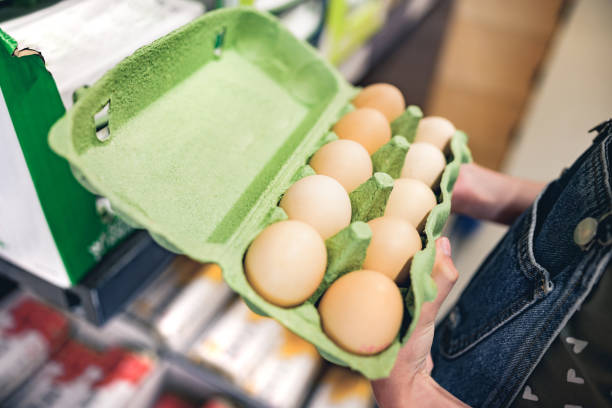
Pasture raised eggs cost more. Sometimes almost double a standard free range carton, depending on where they're bought. That premium reflects real costs — more land, more labor, predator management, certification fees that small farms have to absorb somewhere down the line. Is it worth paying? Depends entirely on what's being optimized for. Strictly cost per protein gram, pasture raised loses every time, no contest. Factor in welfare, flavor, and nutrient density, and the math shifts. There's no universal right answer here. Just a set of priorities that changes from one kitchen to the next.
How to Tell If the Label Actually Means Anything
Since pasture raised has no federal definition, the word alone on a carton is close to meaningless without certification backing it up. Look for a logo — Certified Humane, American Humane Certified, Animal Welfare Approved. Those come with published space requirements and actual third-party audits, not just a farmer's promise printed in friendly font. Some smaller regional farms skip certification entirely because of the cost, even while running excellent pasture systems on their own terms. A quick look at the farm's website, or a phone call, clears up what a logo can't cover on its own. Small extra step. Separates farm fresh eggs with genuine pasture access from ones riding purely on a vague, feel-good phrase.
So Which One Actually Belongs in the Basket?
No dramatic villain in this story. Free range isn't a scam, and pasture raised isn't flawless. But laid side by side — space, diet, daily life for the hen — pasture raised systems come out ahead on welfare almost every time, and usually on flavor and nutrition too. Free range still works as a reasonable middle ground for anyone unwilling to pay the pasture raised premium, and that's a legitimate choice. Still, for shoppers who actually read labels and want their grocery cart to match the picture in their head, pasture raised eggs land a lot closer to that image of a hen roaming real ground — not just standing a few feet from an open door.
FAQs
Is "pasture raised" the same as "organic" eggs?
No. Organic certification is about feed — non-GMO, no synthetic pesticides — and general living conditions. It doesn't guarantee the same outdoor space requirements pasture raised certification does. An egg can be organic without being pasture raised, and the reverse holds too.
How much outdoor space do pasture raised hens actually get?
Certified programs generally require around 108 square feet per bird, with continuous outdoor access during daylight hours. That's a significant jump from the minimal, occasional access typical of free range operations.
Do pasture raised eggs really taste different?
A lot of people notice firmer whites and richer, deeper orange yolks compared to standard or free range eggs — largely because of the varied outdoor diet of grass, insects, and greens pasture-raised hens actually eat.
Why are pasture raised eggs more expensive than free range?