
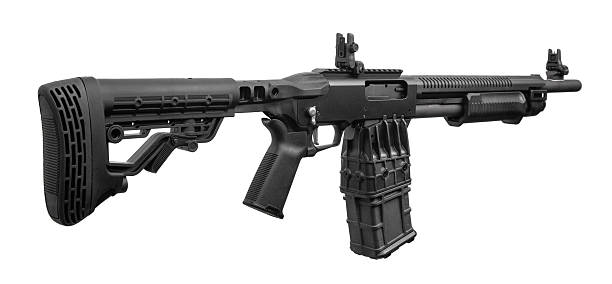
Tube-fed shotguns have dominated the market for over a century, so it's a little surprising how fast a shotgun with magazine feeding has caught on in the last decade or so. The concept itself isn't complicated. Rather than loading shells one at a time into a tube under the barrel, these guns accept detachable box magazines, the same basic idea you'd find on a rifle. Capacity usually runs five to ten rounds per magazine, and once you've practiced the swap, it takes about as long as reloading a pistol. Compare that to feeding shells individually into a tube during a tense moment, and the appeal becomes obvious pretty quickly. Nobody's saying tube guns are outdated. They're just optimized for a different job. A shotgun with magazine feeding exists for people who care about reload speed above almost everything else, whether that's a competitor watching the clock or a homeowner who doesn't want to be caught thumbing shells in one at a time.
Why Shooters Are Switching To This Setup
Three-gun competitors probably drove a lot of the early demand here. When every stage is timed, a two-second magazine swap beats a fifteen-second tube reload every single time, and that math adds up fast over a full match. Home defense owners came around for a similar but slightly different reason — not speed for its own sake, but the peace of mind that comes with knowing you can top off ammo in seconds if things drag on longer than expected. There's also a comfort factor that doesn't get talked about enough. Shooters who've spent years running AR-15s or handguns already know how to run a magazine, so a shotgun with the same feeding system just feels natural in their hands. And frankly, staging pre-loaded magazines ahead of time beats juggling a box of loose shells when adrenaline's already working against you. None of this means the format wins in every scenario, but it's easy to understand why so many shooters have made the switch.
Key Features That Set Magazine-Fed Shotguns Apart
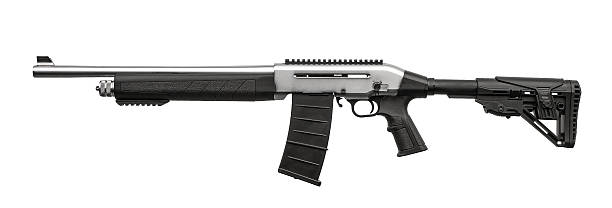
The feed mechanism is where most of the engineering challenge lives. Shotgun shells are wider and less consistent in shape than rifle cartridges, so getting a magazine to feed them reliably takes real design work, and that's exactly why reliability varies so much between brands. Some guns build this feature onto a modified AR-style platform, which shooters already familiar with that ecosystem tend to pick up quickly. Others adapt a more traditional pump or semi-auto action to run a box magazine instead. Balance shifts too. With ammo weight sitting under the receiver rather than stretched along a tube beneath the barrel, the gun handles differently than what most people grew up shooting, and it takes a little time to adjust. Capacity remains the headline feature though — carrying more rounds ready to fire without stopping to reload is the whole reason this format exists in the first place.
Best Gun Accessories for Getting the Most From It
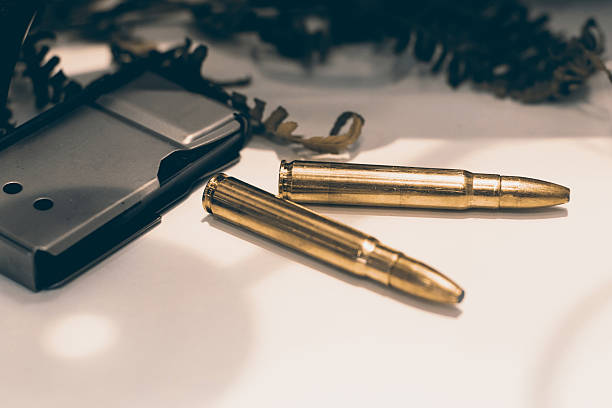
Almost nobody keeps one of these guns bone stock. Optics tend to be the first upgrade people reach for, since a red dot or ghost ring sight speeds up target acquisition in a way bead sights just can't match. Slings deserve more attention than they usually get too. A magazine-fed shotgun tends to run heavier than its tube-fed counterpart, so a proper two-point sling makes carrying it for long stretches a lot more bearable. Charging handles, magazine releases, recoil pads — these show up on most lists of best gun accessories for this platform, and for good reason, since each one addresses a specific pain point owners actually run into. What works for a competition gun and what works for a home defense gun rarely overlap much, even though both builds start from the same basic shotgun.
Choosing Accessories That Match Your Purpose
Start with the gun's actual job, not with what looks impressive online. A competition shooter wants light optics, a fast charging handle, and mag pouches built for quick access under time pressure. Someone setting up a shotgun with magazine feeding purely for home defense probably cares more about a weapon light and a forgiving recoil pad than shaving tenths of a second off a reload. Buying best gun accessories just because another shooter's setup looked cool is one of the most common ways people end up with a pile of parts that don't actually help. Money matters here too — putting real budget into one or two accessories that genuinely earn their place, like a dependable optic or a magazine that's proven itself reliable, beats spreading that same amount across a handful of lower-quality extras.
Maintenance And Long-Term Reliability
These guns ask for more upkeep than a tube-fed shotgun, plain and simple. Magazine feed lips wear down with use, and a worn-out magazine causes more malfunctions in this style of gun than almost anything else, so rotating between a few magazines instead of running one constantly is worth the small hassle. Fouling builds up fast in the action, more so than with smaller rifle cartridges, which means cleaning needs to happen more often than owners typically expect coming from a rifle background. Optic mounts loosen. Sling attachment points work themselves loose. The magazine release mechanism can wear over time too. Checking all of it periodically catches small problems before they become failures at the worst possible time, and shooters who actually stick to that habit tend to get noticeably better performance out of these guns over the long run.
Conclusion
This format isn't for every shooter, but for anyone who prioritizes fast reloads and flexible capacity, it earns its reputation. Getting real value out of one comes down to knowing the gun's actual job, picking accessories that match that job instead of chasing trends, and keeping up with maintenance instead of treating the gun like it runs itself forever. Shooters who put in that little bit of extra thought end up with something that performs when it counts, not just something that looks good sitting in a case. Anyone shopping for a shotgun build, or looking to round one out with the best gun accessories currently on the market, should take a look at what Red Cliffs Tactical, Inc. has available, since it's a solid starting point for gear built to hold up under real use.
Frequently Asked Questions
Is a magazine-fed shotgun harder to maintain than a tube-fed one?
Not harder exactly, just different. Magazines need their own attention, while tube guns come with their own separate set of maintenance quirks.
Can a regular shotgun be converted to take a detachable magazine?
Rarely. Most guns built around this feature are purpose-designed for it, or use a manufacturer-specific conversion, so it's not something you can bolt on universally.
How many rounds does a magazine typically hold versus a tube?
Usually five to ten rounds, though that number shifts depending on the gun and magazine, and it can end up higher or lower than a comparable tube setup.
Are these guns actually reliable enough for home defense?
From established manufacturers, yes, generally speaking. It's still smart to put a few hundred rounds through any defensive firearm before trusting it completely.
What accessory do most people add first?
Optics, almost always. A red dot or similar sight makes a bigger difference in target acquisition speed than most people expect going in.