
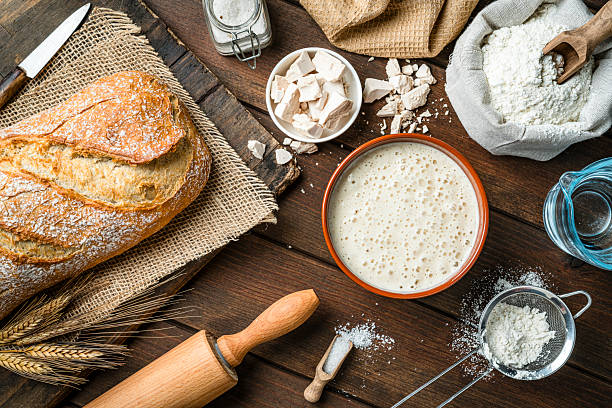
For the first year or so of baking bread at home, I just used whatever bowl was clean. Glass bowl, plastic mixing bowl, sometimes a pot if nothing else was around. And honestly, the bread came out okay-ish. Not great. Sticky mess half the time, dough spreading out flat instead of rising up, and I kept blaming the flour or the yeast or the weather. Turns out a lot of that was just... the container. Or lack of a proper one. A bread proofing container isn't some fancy gadget you need to impress people. It's really just a vessel that holds your dough while it rises, ideally one that traps a bit of warmth and moisture so the dough doesn't dry out or spread everywhere. Sounds simple because it is simple. But the wrong container, or no container at all, can quietly wreck a loaf you spent hours on.
What Actually Happens During Proofing (And Why Shape Matters)
Proofing is just the stage where your dough sits and the yeast does its thing, eating sugars and burping out carbon dioxide, which gets trapped in the gluten network and makes the dough puff up. That's the science bit, and it's not that complicated once you've seen it happen a few times.
Here's the part people miss though. Dough doesn't have bones. It has no structure of its own really, especially wetter doughs like sourdough or ciabatta style bread. If you just plop it on a flat tray or in a wide shallow bowl, gravity wins and it spreads sideways instead of rising up. That's where a proper bread proofing container comes in, one with straight or slightly tapered sides, because it physically forces the dough to grow upward instead of oozing out like a pancake.
I learned this the hard way with a batch of sourdough that came out looking more like a frisbee than a boule. Same recipe, same starter, different container. That was basically the whole problem.
Basket For Bread Rising vs A Regular Bowl — There's A Real Difference
Now, a lot of people use the terms "proofing container" and "basket for bread rising" like they're interchangeable, and in casual conversation they kind of are, but there's a meaningful distinction worth knowing.
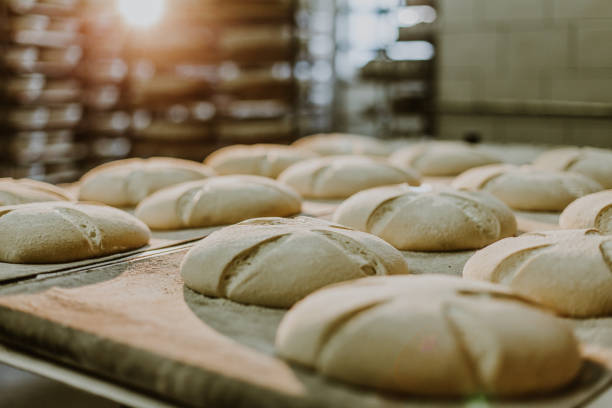
A basket for bread rising, usually called a banneton or brotform if you want to sound fancy at dinner parties, is typically made of rattan or cane, sometimes lined with linen cloth. These are designed specifically for the final proof of shaped dough, especially sourdough boules and batards. The ridged pattern from the rattan actually presses into the dough and creates those nice spiral or wheat-stalk patterns you see on artisan bread crusts. It's not just decoration either, the ridges help the dough hold its shape and give the crust something to grip during baking.
A general bread proofing container, on the other hand, might be a straight-sided plastic or glass tub, sometimes with a lid, used more for bulk fermentation, the first rise before you shape the loaf. Different job, different tool really. You can technically use one for both jobs in a pinch, I've done it plenty of times, but if you want that classic artisan look on a sourdough, a proper basket for bread rising is going to get you there faster and with less fussing around.
Material Matters More Than You'd Think
I used to think plastic vs glass vs wood was just a preference thing, like picking a coffee mug. Nope. Each material behaves differently with dough, and it genuinely changes your results.
Plastic containers are lightweight, cheap, and easy to clean, which is why so many home bakers start there. Downside is plastic can retain smells and stains over time, especially if you're proofing doughs with a lot of oil or spice in them. Glass is nice because you can actually see the dough rising through the sides, which sounds minor but it's honestly one of the more useful features when you're still learning to judge proof by eye. Heavier though, and it can crack if you're not careful.
Rattan baskets, the classic banneton style, wick moisture away from the dough's surface, which helps create a drier skin that crisps up beautifully in the oven. Wood or cane baskets need a bit more care, you have to dust them with rice flour or they'll stick like crazy, and cleaning them is more of a "brush it out" situation than a dishwasher situation. Stainless steel proofing containers exist too, less common in home kitchens but they're basically indestructible and don't hold odors at all.
Size And Shape, Because This Trips People Up Constantly
Get a container too small and your dough overflows the sides, which is messy and honestly a little demoralizing when you find dough stuck to your counter the next morning. Too big, and the dough spreads out thin instead of building structure, so you lose that nice open crumb everyone's chasing on Instagram.
A rough rule I go by, and this isn't gospel, just what's worked for me: your container should be roughly double the volume of your dough ball. That gives it room to expand without drowning in empty space. For a standard 500g flour loaf, something in the 2 to 3 quart range usually does the job for bulk fermentation. For the final proof basket, you want something snug enough that the dough holds its shape but not so tight it's fighting the walls.
Round bannetons give you boules, the classic round artisan loaf. Oval ones give you batards, that longer oval shape. Neither is better, it just depends what you're going for and honestly what looks nicer on your table that day.
Do You Really Need A Lid?
Short answer, yes, or at least something covering it. Uncovered dough dries out on top, forms a skin, and that skin doesn't stretch properly when the dough tries to rise, so you end up with cracking or an uneven crust later. Some proofing containers come with fitted lids, which is convenient. Others, you'll just want to use plastic wrap, a damp towel, or a shower cap if you're being resourceful (I've genuinely used a shower cap, don't judge).
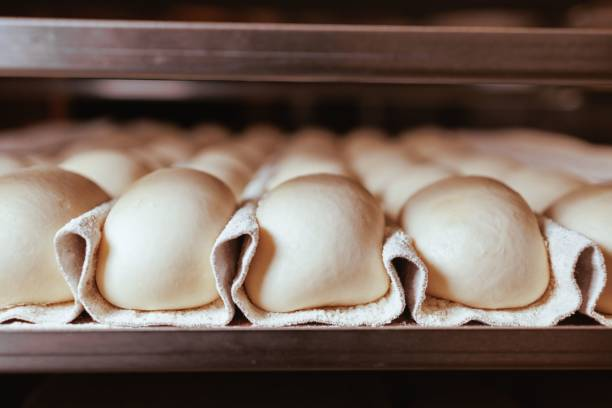
For rattan baskets, you don't usually get a lid included, so a loose cloth or even just setting it inside a large plastic bag works fine. The goal isn't an airtight seal, dough still needs a little breathing room, it's just about keeping the surface from drying out and forming that annoying crust too early.
Straight Sided Containers Are Underrated
If you're serious about bulk fermentation, particularly for sourdough where you want to track rise percentage, a straight sided container is genuinely one of the best purchases you can make. Because the sides go straight up rather than curving outward like a mixing bowl, you can actually measure how much your dough has grown. Double in volume? You can see it clearly against the marks or just visually against the straight wall. Try doing that in a round bowl and you're basically guessing.
Cambro containers, which restaurants use constantly, have become kind of a cult favorite among serious home bakers for exactly this reason. They're not glamorous, they look like plain plastic tubs honestly, but the functionality is hard to beat for the price.
Common Mistakes People Make With Their Proofing Setup
I've made most of these myself so I say this without judgment. Not flouring the banneton enough, and then panicking when the dough won't release and half of it stays stuck to the basket. Using a container way too big "just in case," which just means your dough spreads thin and never builds real tension. Skipping the cover entirely because you forgot, then wondering why the crust looks weird after baking.
Another one, and this surprised me, is using cold containers straight out of the fridge for a dough that needs to warm up first. The temperature difference can slow proofing down more than people expect, especially in winter. Little things, but they add up to a loaf that just doesn't turn out how you pictured it.
Buying Advice — What I'd Actually Tell A Friend
If you're just starting out, don't overthink this. Grab a decent straight sided plastic container for bulk fermentation, something with measurement markings if you can find one, and a basic rattan banneton for shaping and final proof. You really don't need to spend a ton of money here. A basket for bread rising in the ten to twenty dollar range works just as well as the pricier boutique versions for probably 90% of home bakers.
If you bake often, invest in two sizes, a round and an oval, so you've got options depending on what loaf you're making. And get a bench scraper while you're at it, it's not directly related to proofing but it makes handling sticky dough about a thousand times easier, trust me on that one.
Conclusion
Look, bread doesn't care about fancy equipment, it cares about consistency, and a good bread proofing container gives you that consistency without much effort on your part. Whether it's a straight sided tub for bulk rise or a proper basket for bread rising to shape your final loaf, the right vessel takes a lot of guesswork out of baking. I wasted way too much dough and way too many mornings figuring this out the slow way. You don't have to. Get a container that fits your dough, cover it properly, and let the process do what it's supposed to do. The rest, honestly, is just practice and paying attention.
FAQs
What is the best bread proofing container for beginners?
A straight sided plastic container, something like a Cambro-style tub, is a solid starting point. It's cheap, easy to clean, and lets you actually see the dough's progress against the walls.
Do I need a basket for bread rising if I already have a bowl?
Not strictly, but a basket for bread rising, especially a rattan banneton, gives shaped dough better structure and that classic artisan crust pattern you can't really get from a regular bowl.
Can I proof bread without any special container at all?
Yes, technically. A regular bowl covered with a towel works in a pinch. It just won't give you the same shape control or rise consistency as a proper proofing container.
How big should my bread proofing container be?
Roughly double the volume of your dough ball gives enough room to expand without spreading too thin or overflowing the sides.
Does the material of the proofing container change the bread's crust?
Somewhat, yes. Rattan baskets wick moisture away and help form a drier surface that crisps up nicely, while plastic or glass containers don't have that same effect.